
Oil AND Gas Pipeline Valves Applications
Oil And Gas Pipeline Valves Solutions
Reliable industrial valves for pipeline isolation, shutoff, pressure control, and non-return service in upstream, midstream, and downstream oil & gas projects.
Pipeline Project Requirements
What Pipeline Projects Require from Industrial Valves
Oil and gas pipeline systems often operate under high pressure, long-distance transmission, pressure fluctuation, corrosive media, and strict shutdown requirements. In these working conditions, valve selection is directly related to pipeline safety, isolation reliability, and long-term maintenance cost.
Wrong valve selection can cause leakage, unsafe isolation, emergency shutdown failure, unstable sealing, or frequent maintenance. For critical pipeline valve systems, buyers need more than a standard valve list — they need suitable oil and gas pipeline valves matched with real service conditions.
ZONCIC helps customers select suitable high pressure valve, pipeline isolation valve, and API 6D valve solutions according to pressure class, media, temperature, pipeline position, operation method, and project standards.
Key Challenges in Oil And Gas Pipeline Valves Selection
Leakage Risk
Poor sealing performance can create pipeline leakage and safety concerns.
Unsafe Isolation
Pipeline shutdown valves must provide reliable isolation during maintenance or emergency operation.
High Pressure Service
High pressure pipeline applications require stronger body materials and dependable seat sealing.
Maintenance Cost
Wrong valve selection increases downtime, spare parts cost, and unexpected field maintenance.
Recommended Pipeline Valve Types
Recommended Valve Types for Oil & Gas Pipelines
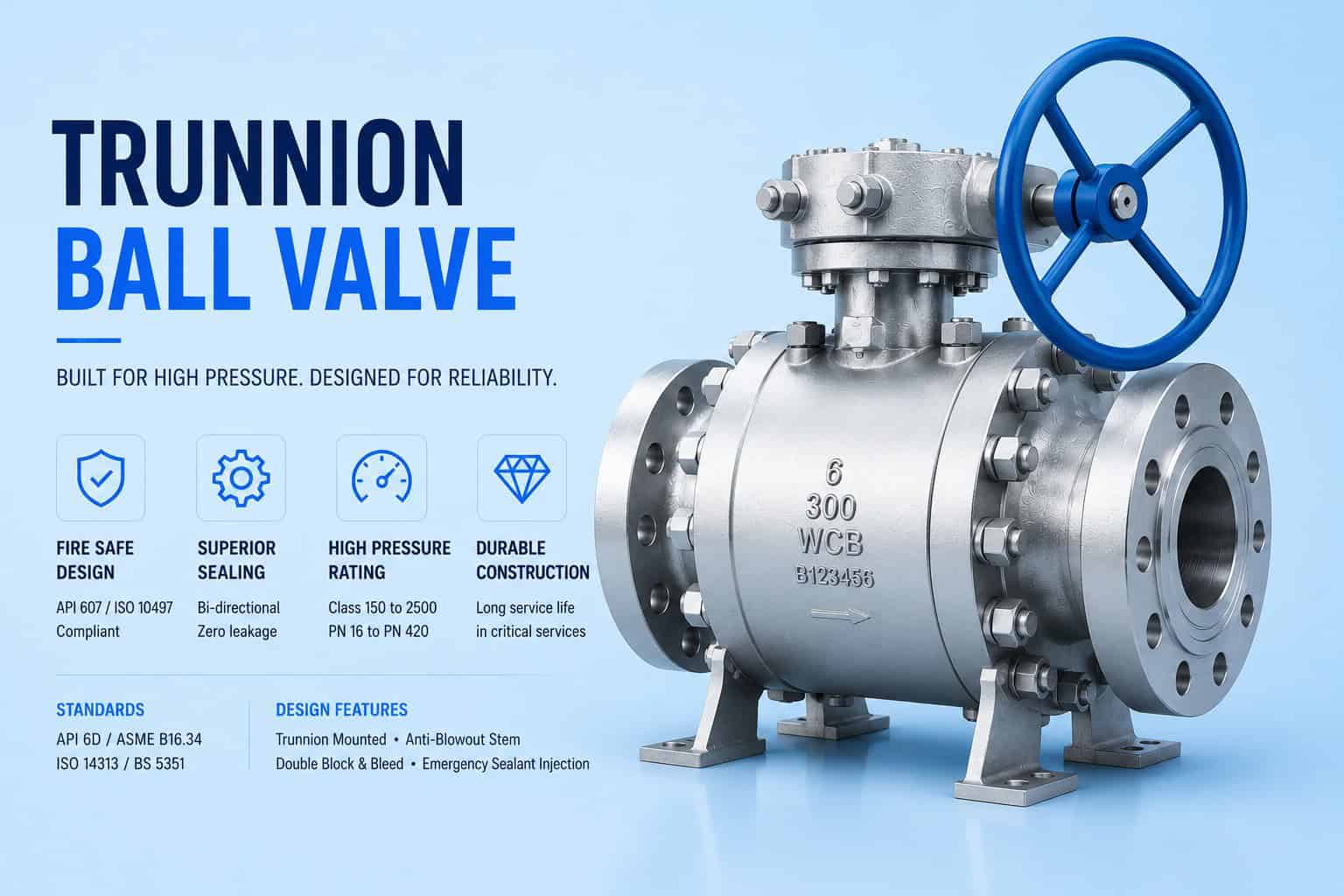
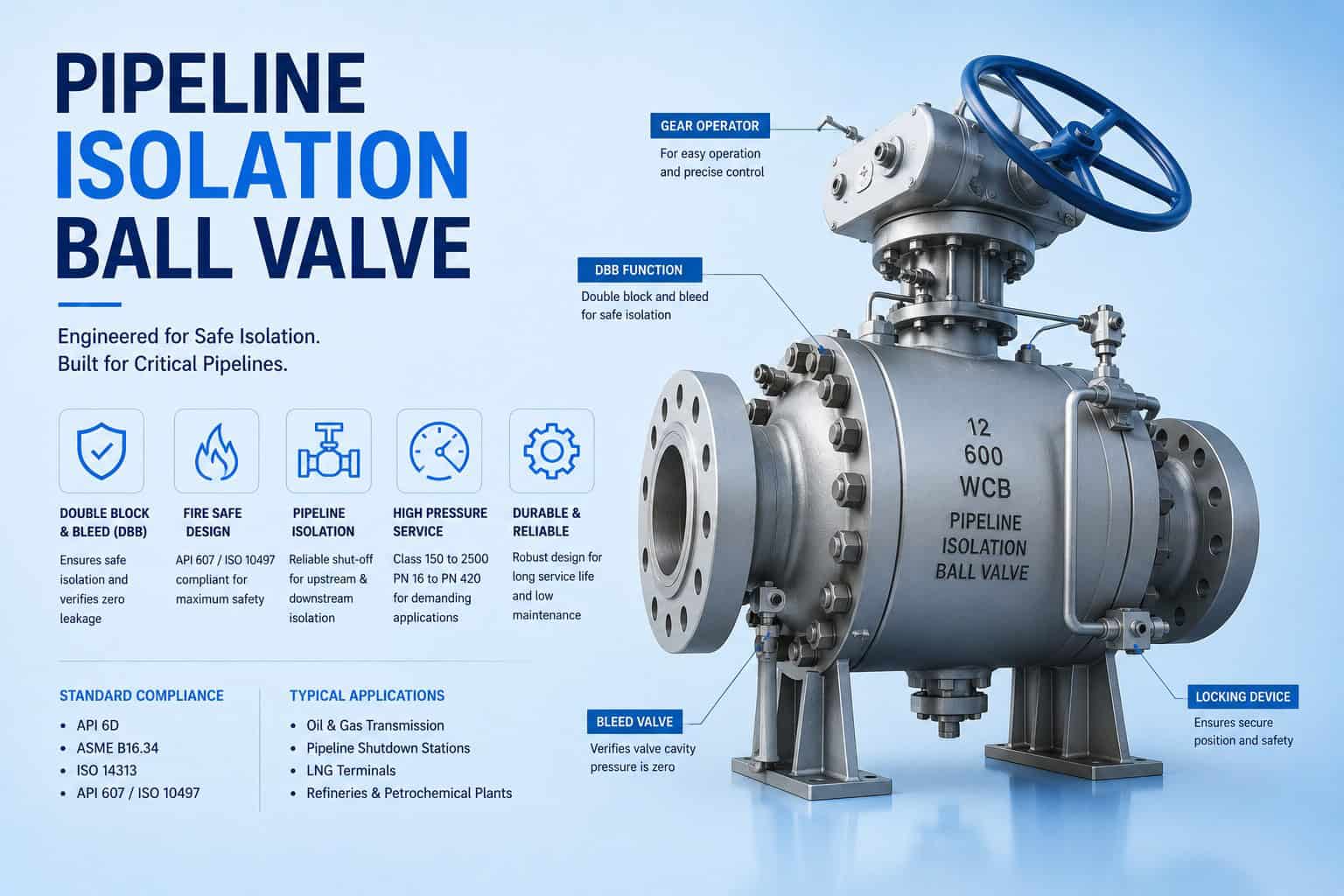
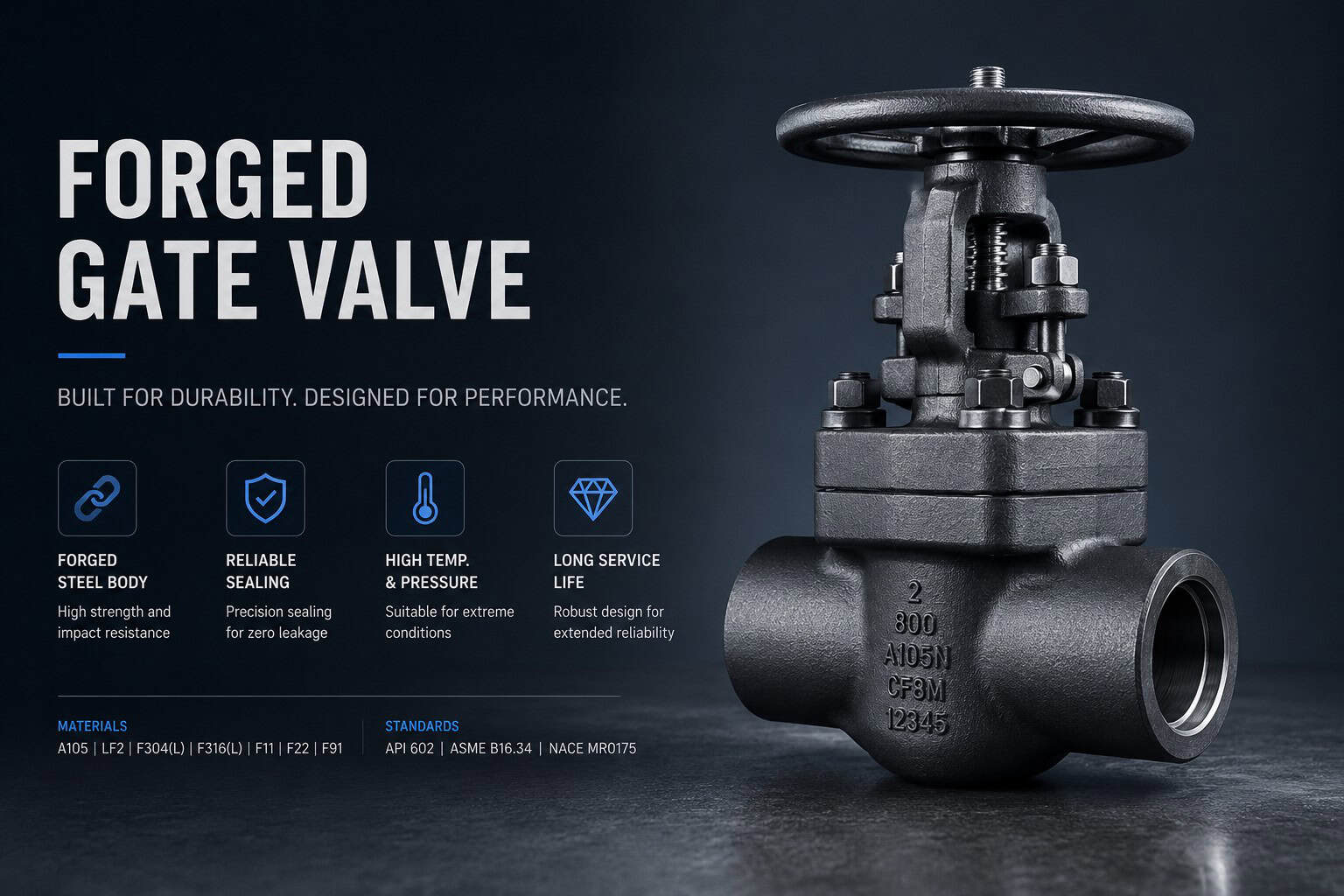
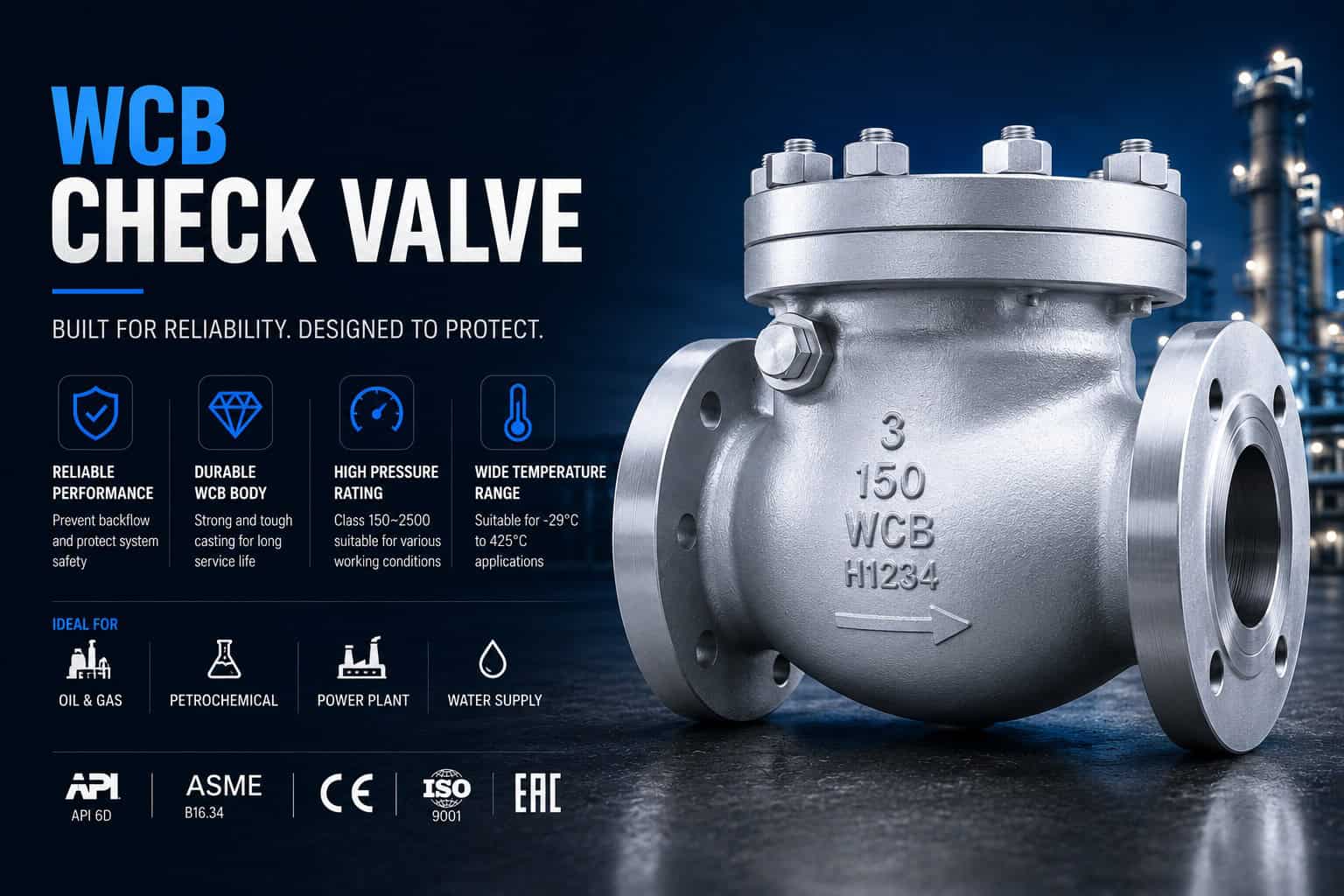
Different pipeline positions require different valve functions. ZONCIC helps customers select suitable oil and gas pipeline valves for isolation, shutoff, pressure control, backflow prevention, and auxiliary process service.

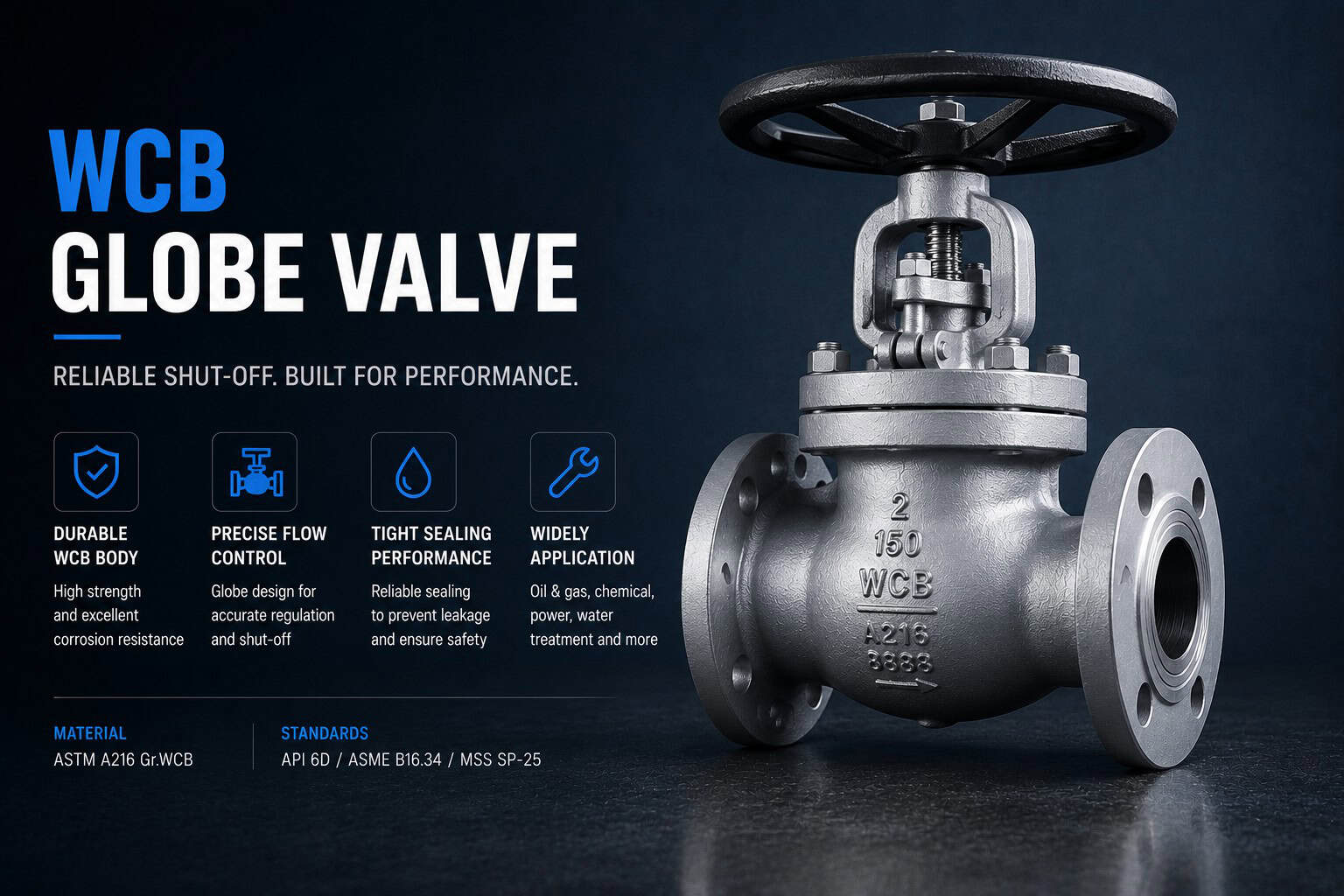
Pipeline Valve Selection Guide
Valve Selection by Pipeline Position
Different positions in oil and gas pipeline systems require different valve functions. Selecting the right valve based on pipeline position improves safety, shutdown reliability, maintenance efficiency, and long-term operating performance.
| Pipeline Position | Recommended Valve | Main Function |
|---|---|---|
| Main Transmission Line | API 6D Ball Valve | Full bore isolation for long-distance oil and gas transmission service |
| Pump Station | Check Valve / Gate Valve | Backflow prevention and safe isolation for pumping systems |
| Compressor Station | Ball Valve / Check Valve | Shutdown service and system protection in compressor stations |
| Branch Line | Forged Gate Valve | High pressure isolation for branch pipelines and auxiliary systems |
| Pigging Station | Ball Valve | Pigging operation support and maintenance access control |
| Emergency Shutdown | Pipeline Isolation Ball Valve | Fast and safe shutoff during emergency or maintenance conditions |
Professional Recommendation: In critical oil and gas pipeline valve systems, valve selection should be based on pipeline position, pressure class, operating media, temperature range, and project shutdown requirements. Choosing suitable pipeline isolation valve and API 6D valve solutions can significantly reduce leakage risk, maintenance cost, and operational downtime.
Materials & Standards for Oil & Gas Service
Selecting The Right Materials & Standards for Pipeline Service
Oil and gas pipeline valves should be selected according to pressure class, media type, temperature range, corrosion risk, installation location, and project standard. In demanding pipeline systems, choosing the right valve material directly affects sealing performance, shutdown reliability, maintenance cycle, and long-term operating safety.
For standard oil and gas transmission service, WCB is widely used for carbon steel pipeline valves. In low-temperature environments, LCB is often selected to improve impact resistance. For corrosive media or demanding chemical conditions, CF8, CF8M, alloy steel, and forged steel materials are commonly specified based on project requirements.
Standards are equally important in pipeline valve selection. Common oil and gas valve projects typically follow API 6D, API 600, ASME B16.34, ASME B16.5, ASME B16.10, and API 598 to ensure dimensional compatibility, pressure integrity, shutoff performance, and testing reliability.
Common Valve Materials
Common Oil & Gas Valve Standards
Industry standards help ensure compatibility, pressure integrity, shutoff performance, dimensional accuracy, and testing reliability for oil and gas pipeline projects.
Quality Control for Pipeline Valve Projects
Quality Assurance for Oil & Gas Pipeline Valve Projects
Oil and gas pipeline valves are commonly installed in high-pressure, long-distance, and critical shutoff applications where leakage, sealing failure, or dimensional deviation can create operational and safety risks. For this reason, inspection and testing are an essential part of project quality control.
At ZONCIC, every pipeline valve project follows strict inspection procedures based on valve type, pressure class, project specification, and customer requirements. From material verification to export packing inspection, every stage is designed to improve reliability and reduce project risk.
For pipeline projects, testing is not optional.
It is part of project risk control. Reliable testing helps reduce shutdown risk, leakage issues, maintenance cost, and unexpected operational failure in demanding oil & gas environments.
Hydrostatic Shell Test
Pressure integrity testing to verify valve body strength and shell sealing performance.
Seat Leakage Test
Valve seat sealing inspection to reduce leakage risk during operation and shutdown.
Pneumatic Low Pressure Test
Air leakage verification for sealing reliability in low-pressure operating conditions.
PMI Material Verification
Positive material identification to confirm chemical composition and specification compliance.
Dimensional Inspection
Verification of face-to-face dimensions, flange drilling, and assembly accuracy.
Painting & Coating Inspection
Surface treatment inspection for corrosion protection and long-term field performance.
Export Packing Inspection
Export-grade packing verification for safe sea shipment and long-distance transport.
Documentation Support
Inspection reports, material certificates, test records, and project documentation support.
Oil & Gas Pipeline Project Applications
Project Applications for Oil & Gas Pipeline Valves
Oil and gas pipeline valves are not selected only by valve type. In real projects, valve selection must consider pipeline location, shutdown strategy, media condition, pressure level, maintenance access, and project documentation requirements. ZONCIC supports industrial valve solutions for pipeline systems where isolation reliability, sealing performance, and long-term operating safety are critical.
Long-Distance Crude Oil Pipelines
Crude oil transmission pipelines require reliable shutoff valves for long-distance flow isolation, maintenance sections, and station control points. API 6D ball valves and pipeline isolation valves are commonly selected to support full-bore flow, pressure integrity, and safe shutdown.
Natural Gas Transmission Pipelines
Natural gas pipeline systems often involve high pressure, compressor stations, emergency shutdown points, and strict leakage control. Trunnion mounted ball valves, check valves, and pipeline isolation valves help improve shutoff reliability and system protection.
LNG Receiving & Distribution Lines
LNG receiving and distribution pipelines require careful valve selection based on low-temperature service, sealing stability, and safe operation. Cryogenic valve solutions may be required where temperature conditions exceed standard pipeline valve limits.
Pump Stations & Compressor Stations
Pump stations and compressor stations require valves for backflow prevention, shutdown control, maintenance bypass, and equipment protection. Check valves, ball valves, and gate valves are selected according to flow direction, pressure, and station layout.
Oilfield Gathering Pipelines
Oilfield gathering pipelines may face variable pressure, mixed media, sand content, and frequent operating changes. Durable gate valves, ball valves, and check valves help maintain safe isolation and reliable flow control across field gathering networks.
Refinery Transfer Pipelines
Refinery transfer lines require industrial valves for product movement, process isolation, pressure control, and safe maintenance. Material selection should be matched with media type, temperature, corrosion risk, and refinery project specifications.
Petrochemical Feedstock Pipeline Systems
Petrochemical feedstock pipelines require valve solutions for aggressive media, pressure management, and continuous process operation. Corrosion-resistant materials, reliable sealing, and project-based testing help reduce operational risk.
Explore More Industry Valve Solutions
Oil and gas pipeline projects are only one part of industrial valve applications. ZONCIC also supports LNG, refinery, petrochemical, power generation, and water treatment industry valve solutions.
Back to Industries →Why Buyers Choose ZONCIC
Why Choose ZONCIC for Oil & Gas Pipeline Valves
For oil and gas pipeline procurement, selecting a valve supplier is not only about price. Buyers need reliable technical communication, accurate material matching, project-standard understanding, and confidence that valves will perform safely under real operating conditions.
At ZONCIC, we support EPC contractors, distributors, project buyers, and industrial end users with practical valve selection based on project requirements — not generic catalog recommendations. Whether your project involves long-distance transmission pipelines, compressor stations, refinery transfer systems, or shutdown isolation service, we help reduce procurement uncertainty and project risk.
We do not simply supply valves.
We help buyers select suitable pipeline valve solutions based on pressure class, operating media, service conditions, and project documentation requirements.
Explore Related Valve Solutions
API 6D & ASME Selection Support
Practical valve recommendations based on API 6D, ASME standards, pressure class, and pipeline project requirements.
Fast Quotation for Valve Lists
Quick quotation support for valve schedules, datasheets, pipeline valve lists, and EPC procurement requests.
Material Matching by Working Media
Material recommendations based on corrosive media, temperature range, pressure, and pipeline operating conditions.
Large Size & High Pressure Support
Support for large diameter pipeline valves and demanding high pressure operating environments.
OEM Marking & Project Tag Support
OEM branding, valve tagging, nameplate marking, and project identification support available.
Export Packing & Technical Communication
Export-grade sea shipment packing with technical communication based on drawings, specifications, and service conditions.
Oil & Gas Pipeline Valve FAQ
Frequently Asked Questions About Pipeline Valve Selection
These questions help buyers, EPC contractors, and distributors select suitable oil and gas pipeline valves based on pressure class, service condition, material, and project requirements.
What valves are commonly used in oil and gas pipelines?
Common oil and gas pipeline valves include API 6D ball valves, trunnion ball valves, pipeline isolation ball valves, gate valves, check valves, and globe valves. The final selection depends on pipeline position, pressure class, media, temperature, and shutoff requirements.
What is the best valve for pipeline isolation?
For main pipeline isolation, API 6D ball valves and pipeline isolation ball valves are commonly selected because they support full-bore flow, reliable shutoff, and long-distance transmission service. For smaller branch lines, forged gate valves may also be suitable.
Are API 6D ball valves suitable for oil and gas transmission?
Yes. API 6D ball valves are widely used in oil and gas transmission pipelines, especially for mainline isolation, pigging stations, block valve stations, and high-pressure shutoff applications where pressure integrity and sealing reliability are important.
How do I choose valve materials for oil and gas pipeline service?
Valve materials should be selected according to media type, pressure class, temperature range, corrosion risk, and project specifications. Common materials include WCB for standard carbon steel service, LCB for low-temperature conditions, CF8/CF8M for stainless steel service, and alloy or forged steel for high-pressure applications.
Can ZONCIC supply valves for EPC pipeline projects?
Yes. ZONCIC supports EPC contractors, distributors, and project buyers with pipeline valve lists, technical communication, quotation support, OEM marking, export packing, and project documentation based on drawings and service conditions.
Related Industrial Valve Solutions
Send Your Pipeline Valve List for Fast Quotation
Share your size, pressure class, material, end connection, quantity, and project standard. ZONCIC will help recommend suitable oil and gas pipeline valves for your project.
Request Pipeline Valve Quote →