AI Smart Valve Monitoring Is Becoming a New Safety Layer for Hydrogen and LNG Pipelines
As hydrogen energy, LNG infrastructure, and high-pressure pipeline systems continue to expand, valve reliability is becoming more than a mechanical issue. For EPC contractors, pipeline operators, and industrial plant owners, valve performance now directly affects safety, emissions control, shutdown risk, and long-term operating cost.
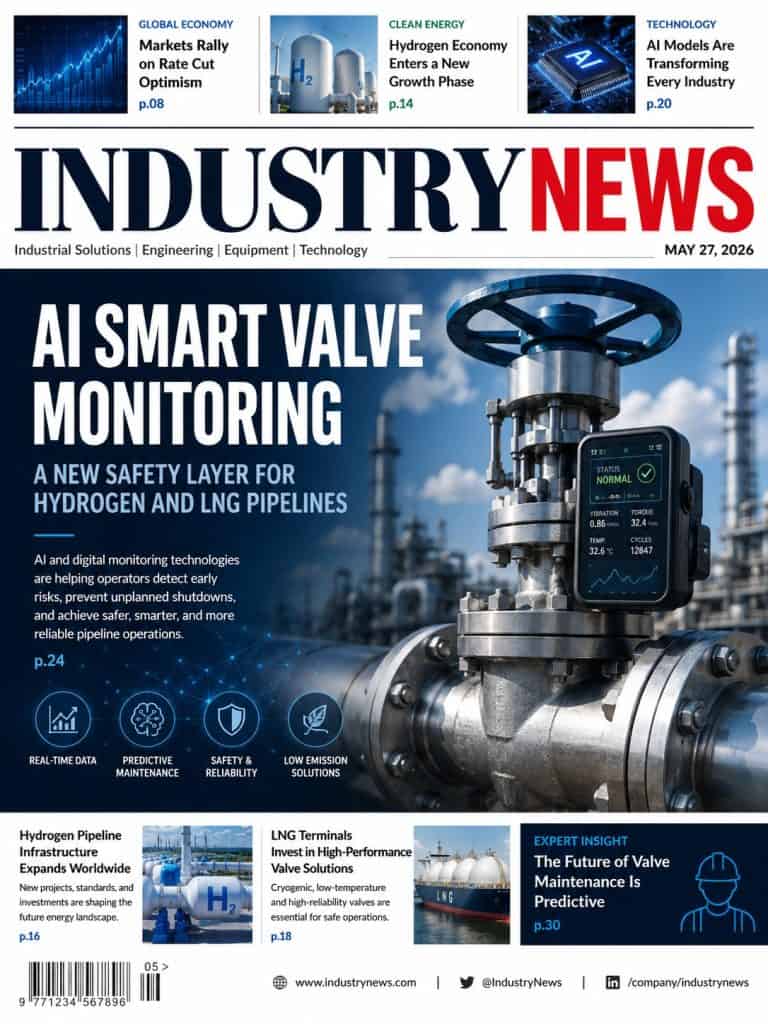
One of the most important trends in 2026 is the rise of AI smart valve monitoring. Instead of waiting for leakage, torque increase, abnormal vibration, or sealing failure to appear during operation, smart valve systems use sensors, digital diagnostics, and predictive maintenance models to identify early signs of valve degradation.
For valve buyers, this trend means that future purchasing decisions will not only focus on size, pressure class, material, and standard. More projects will evaluate whether valves are suitable for digital monitoring, low-emission service, hydrogen service, LNG applications, and predictive maintenance programs.
Why Smart Valve Technology Matters for Hydrogen and LNG Projects
Hydrogen and LNG applications create stricter requirements for industrial valves. Hydrogen molecules are small, leakage control is more difficult, and material selection must consider embrittlement risk, sealing performance, pressure cycling, and long-term reliability. LNG service also requires stable performance under low-temperature or cryogenic operating conditions.
In these applications, unexpected valve failure can lead to shutdowns, safety risks, product loss, and expensive maintenance. This is why smart valve technology is becoming increasingly important for pipeline systems, storage terminals, liquefaction plants, gas processing units, and petrochemical facilities.
Real-Time Valve Data
Smart monitoring can collect pressure, temperature, vibration, torque, position, and operating cycle data from critical valve locations.
Predictive Maintenance
AI models help identify abnormal operating patterns before a valve reaches failure, reducing unplanned shutdown risk.
Emission Control
Low-emission valve design combined with monitoring helps support stricter fugitive emission control in oil, gas, and hydrogen systems.
From Traditional Maintenance to Predictive Valve Maintenance
Traditional valve maintenance is often based on fixed inspection schedules or failure response. This approach may work for general water or utility lines, but it is not enough for hydrogen pipelines, LNG terminals, petrochemical plants, and high-pressure gas systems.
Predictive maintenance valve technology changes the maintenance model. By analyzing operating data, engineers can identify whether a valve is developing abnormal friction, actuator overload, seat wear, stem leakage risk, or sealing instability.
Common Valve Signals Monitored by Smart Systems
- Opening and closing torque trend
- Actuator response time
- Valve position feedback
- Pressure fluctuation before and after the valve
- Temperature variation in LNG or cryogenic service
- Vibration changes in pipeline operation
- Abnormal operating cycle frequency
- Potential stem sealing or packing leakage indicators
Which Valve Types Are Most Suitable for Smart Monitoring?
Not every valve in a plant needs advanced monitoring. Smart monitoring is most valuable for critical isolation valves, high-pressure pipeline valves, emergency shutdown valves, and valves used in hazardous or high-value process systems.
1. Trunnion Mounted Ball Valve
Trunnion mounted ball valves are widely used in oil, gas, hydrogen, and long-distance pipeline systems. Because they are often installed in critical isolation positions, monitoring torque, sealing performance, and operating cycles can help improve pipeline reliability.
2. API 6D Pipeline Ball Valve
Ball valves designed for pipeline service are important candidates for smart monitoring, especially in high-pressure natural gas, hydrogen blending, and LNG transfer systems.
3. Metal Seated Ball Valve
Metal seated ball valves are used in severe service conditions where soft seats may not provide enough temperature, erosion, or wear resistance. Smart monitoring helps track torque changes and sealing behavior under demanding operating conditions.
4. Gate Valve for High-Pressure Service
Gate valves remain important in oil and gas pipelines, power plants, and petrochemical systems. Monitoring stem movement, opening torque, and sealing stability can support better maintenance decisions.
5. Globe Valve and Control Applications
Globe valves are often used for throttling and flow regulation. In systems where flow stability and pressure control matter, smart monitoring can help detect abnormal operating conditions earlier.
Low-Emission Valve Design Is Becoming More Important
AI monitoring alone cannot solve leakage problems if the valve structure, packing system, sealing material, and manufacturing quality are weak. For hydrogen, LNG, and petrochemical applications, the foundation is still a reliable industrial valve manufactured according to recognized standards.
Low-emission valve design may include high-quality stem packing, controlled surface finish, improved gland structure, precision machining, stable bolting, and strict pressure testing. In applications where fugitive emission control is required, buyers may also consider standards such as ISO 15848 and API 624 depending on project requirements.
What This Means for Valve Buyers in 2026
For EPC companies, distributors, and engineering buyers, the trend is clear: valve purchasing is moving from basic specification matching to lifecycle reliability evaluation.
When selecting valves for hydrogen, LNG, natural gas, petrochemical, or power generation projects, buyers should consider:
- Whether the valve design is suitable for the actual medium and operating temperature
- Whether the material can meet hydrogen, LNG, or severe service requirements
- Whether the valve can support actuator, position feedback, or digital monitoring systems
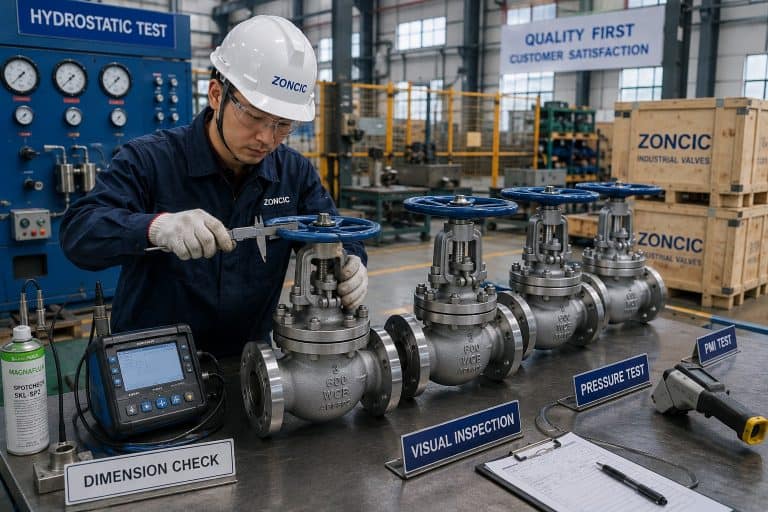
- Whether the manufacturer can provide pressure testing, material traceability, and inspection documents
- Whether the valve design supports low-emission operation
- Whether spare parts and maintenance support are available for long-term projects
ZONCIC Valve Solutions for Modern Pipeline Projects
ZONCIC supplies industrial valves for oil and gas, petrochemical, power generation, water treatment, and general industrial pipeline systems. For projects requiring reliable isolation, flow control, non-return protection, and pipeline protection, ZONCIC provides multiple valve solutions including:
- Industrial Ball Valve
- Industrial Gate Valve
- Industrial Globe Valve
- Industrial Check Valve
- Industrial Butterfly Valve
- Industrial Strainer
For smart valve and modern pipeline projects, ZONCIC can support project buyers with valve selection, material recommendations, pressure rating matching, OEM requirements, inspection support, and export-grade packing.
FAQ: AI Smart Valve Monitoring and Industrial Valve Selection
What is AI smart valve monitoring?
AI smart valve monitoring uses sensors and data analysis to track valve condition, operating cycles, torque, position, pressure, temperature, and abnormal behavior. The goal is to detect early warning signs before failure occurs.
Does every valve need smart monitoring?
No. Smart monitoring is most valuable for critical valves in hydrogen pipelines, LNG terminals, natural gas systems, petrochemical plants, power generation facilities, and high-pressure pipeline systems.
Which valves are suitable for hydrogen pipeline service?
Hydrogen pipeline valve selection depends on pressure, temperature, sealing design, material compatibility, leakage control, and project standards. Trunnion mounted ball valves, metal seated ball valves, and selected gate valves may be used depending on the application.
Can smart valve monitoring reduce maintenance cost?
Yes. By detecting abnormal operation earlier, predictive maintenance can help reduce emergency repair, unplanned shutdowns, and unnecessary maintenance intervals.
Can ZONCIC supply valves for hydrogen and LNG projects?
ZONCIC can support industrial valve selection for demanding pipeline applications. Final valve selection should be based on project medium, pressure class, temperature, material requirement, sealing structure, and applicable standards.
Need Industrial Valves for Hydrogen, LNG, or Pipeline Projects?
Send your valve specifications, pressure class, material requirement, quantity, and application details. ZONCIC will help you select suitable industrial valve solutions for your project.
Request a Quote