Smart Industrial Valve Technology for Modern Pipeline Systems
Smart industrial valves are becoming an important part of modern oil & gas, petrochemical, power generation, water treatment, and automated pipeline systems. As industrial plants move toward digital operation, valves are no longer only mechanical components for flow control. They are gradually becoming connected devices that support monitoring, data analysis, and predictive maintenance.
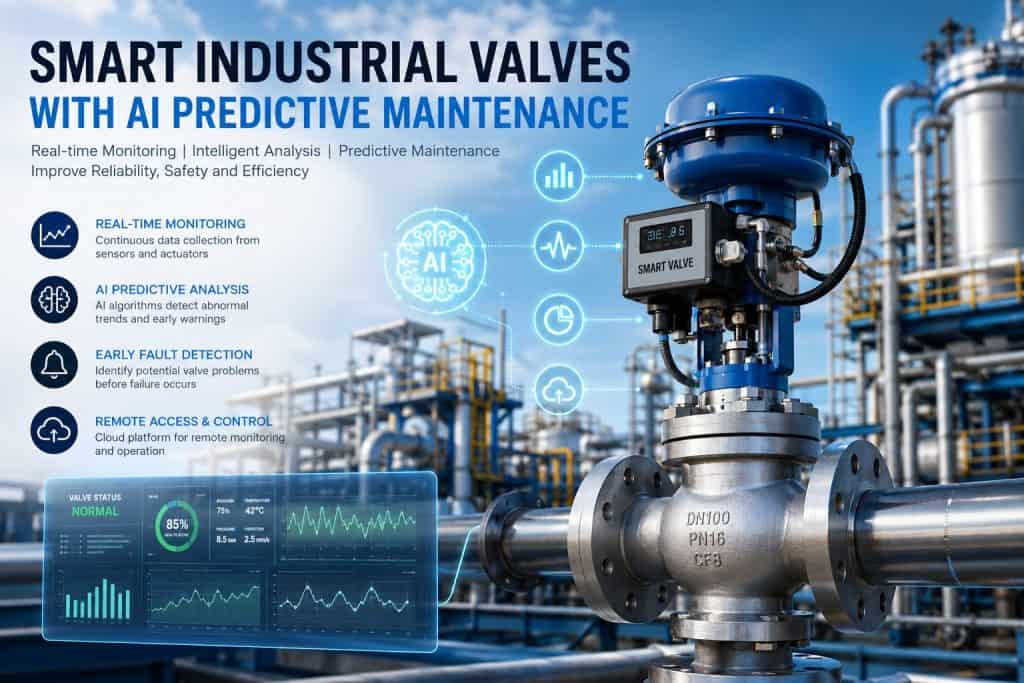
With the development of IoT sensors, smart actuators, digital valve position monitoring, and AI-based predictive maintenance, smart industrial valves can help operators identify abnormal valve conditions earlier. This improves reliability, reduces unplanned shutdowns, and supports safer plant operation.
Why Smart Industrial Valves Matter
Industrial plants depend on valves for isolation, shut-off, flow regulation, and system protection. Poor valve performance may lead to leakage, pressure loss, production downtime, and safety risks. High-quality smart industrial valves help reduce these risks by providing useful operating data before serious failure occurs.
Traditional valve maintenance is often based on fixed schedules or manual inspection. However, many valve problems develop gradually, such as increasing actuator torque, stem friction, seat wear, packing leakage, or slow response time. Smart valve monitoring allows maintenance teams to detect these early warning signals and plan service before failure affects production.
Key Advantages of Smart Industrial Valves
- Real-time valve position monitoring for automated pipeline systems
- Actuator torque and operation feedback for early fault detection
- Pressure, temperature, and vibration data collection
- Leakage trend monitoring for critical service applications
- Remote operation and control system connection
- AI-based abnormal condition analysis
- Predictive maintenance support for large valve networks
These features make smart industrial valves suitable for both general industrial service and demanding pipeline applications. Whether the application requires remote shut-off, automated control, or long-term maintenance reliability, the right smart valve solution can significantly improve system performance.
How AI Predictive Maintenance Helps Valve Systems
AI predictive maintenance analyzes valve operating data and identifies patterns that may indicate future problems. For example, if an actuated valve requires more torque than normal during opening or closing, the system may suggest possible stem friction, seat damage, debris accumulation, or actuator wear.
This data-driven maintenance method is more efficient than only relying on periodic inspection. It helps operators focus on valves that actually show abnormal performance. For oil & gas pipelines, petrochemical plants, power generation facilities, and water treatment systems, this can reduce unplanned shutdowns and improve maintenance planning.
Applications of Smart Industrial Valve Solutions
Smart industrial valve solutions are widely applied in oil & gas transmission systems, refinery units, petrochemical processing plants, LNG facilities, power generation systems, water treatment lines, and automated production networks. In these sectors, valve reliability directly affects production efficiency and operational safety.
For example, actuated ball valves are often used for remote shut-off in pipeline systems. Electric or pneumatic butterfly valves are commonly used in water treatment and utility lines. Globe valves with monitoring devices may be used where flow control accuracy is important. Check valves help protect pumps and prevent reverse flow in automated systems.
If you want to explore related product options, you can view our ball valve solutions, butterfly valve solutions, and globe valve solutions for industrial pipeline systems.
Manufacturing and Quality Control
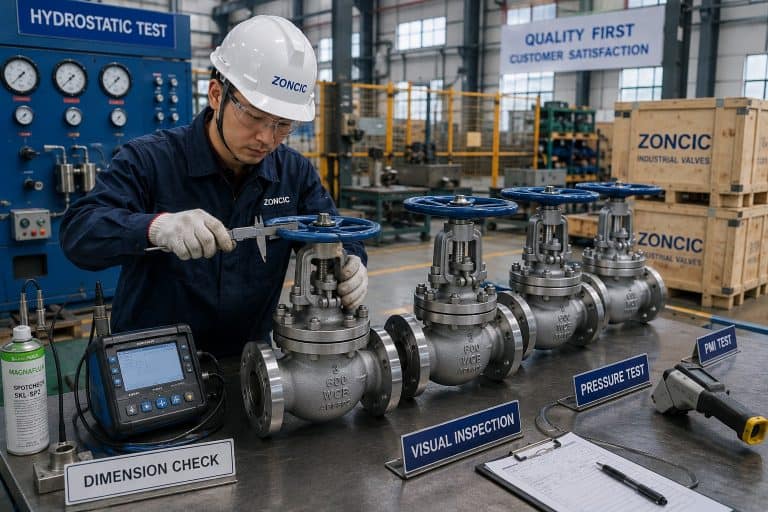
Although smart technology is important, reliable valve performance still starts with strong mechanical design and manufacturing quality. A smart actuator cannot solve problems caused by poor sealing, unsuitable materials, weak pressure-containing parts, or unstable machining quality.
ZONCIC focuses on practical industrial valve supply for global projects. Our valve products are manufactured with attention to material selection, precision machining, pressure testing, leakage testing, and export packing. For automated pipeline systems, valve body quality and actuator compatibility should be considered together.
Choosing the Right Supplier
When evaluating suppliers for smart industrial valve projects, buyers should consider manufacturing capability, testing standards, material options, actuator compatibility, engineering support, and export experience. A reliable supplier should provide not only products, but also technical recommendations based on working conditions and project requirements.
ZONCIC supplies gate valves, ball valves, globe valves, check valves, butterfly valves, strainers, and automated valve solutions for global industrial customers. From product selection to quotation support, we work to help customers find suitable valve solutions for demanding pipeline projects.
Conclusion
Smart industrial valves and AI predictive maintenance are changing the way industrial plants manage valve reliability. By combining strong mechanical valve design with real-time monitoring and data analysis, users can reduce unexpected downtime, improve safety, and support long-term system performance.
To learn more about available valve products, visit our industrial valves page. For general technical background, you can also refer to API and ISO valve-related standards.
Need Reliable Industrial Valve Solutions?
Contact ZONCIC for gate valves, ball valves, globe valves, check valves, butterfly valves, strainers, and fast quotation support for industrial automation and pipeline projects.